
The number of people in the United States who struggle with addictions to drugs and/or alcohol is on the rise, according to experts from Brigham and Women’s Hospital in Boston, as addiction diagnoses have risen 70% between the years 2001 and 2009. Stats like this seem to suggest that more and more people are drowning their sorrows with substances, and they’re looking for advanced help in order to recover. It’s a startling and sad fact of modern life.
However, focusing on addiction diagnoses might mean ignoring some very real, and very persistent, cases of addiction. After all, many people who develop these compulsive relationships with substances don’t ever admit that they have a problem, and they certainly don’t agree to talk to a doctor about the issue. But, as the addictions deepen, their families may become aware of the issue, and they might also begin to suffer.
Thankfully, there are some things that families can do in order to eradicate addiction. Holding an intervention may be a good place to start. Families that choose to confront the issue in a direct manner could help to push the person into treatment programs that could help.
Who Needs an Intervention?
Put plainly, an intervention is a conversation about addiction, held in the presence of the person who has the addiction. These talks can be somewhat painful, as the family is required to outline all of the changes the addiction has caused, along with all of the changes they’d like to see in the addict’s behavior in the future. The tone is positive and loving, but the talk can also be emotionally draining for everyone involved. As a result, this is the sort of step that’s taken for people who have serious problems that can impact the health, wealth and sanity of the family.
Issues of substance use and abuse often prompt an intervention, as people who dabble in drugs and alcohol often lose control of their ability to lead a healthy and productive life. As the addiction unfolds, the substance becomes the most important part of the person’s life, and that addicted person might be willing to say or do almost anything to keep the flow of drugs coming.
While substance abuse is certainly serious, it isn’t the only type of issue that might merit a formal intervention. In fact, there are many other types of behaviors that have been linked to significant family distress, and these issues might also prompt a family to hold a formal intervention.
People who gamble, for example, often put the entire financial security of the family on the line, and they might feel incapable of staying away from games of chance, including:
- Casino games
- Online games
- Office betting pools
- Informal card games
- Lottery games
According to the National Council on Problem Gambling, about two million people in the United States can be considered pathological gamblers, meaning that they’re compulsively connected to the activity and find it difficult or impossible to stop. These people might benefit from an intervention, as the talk may convince them to change for the better.
Similarly, some people become addicted to videogames. Some of these games are incredibly sophisticated, allowing participants to develop entirely unique personalities and connect with people they might never meet in real life. In time, people can become so enamored with the life they lead inside of the game that they withdraw from the real world altogether. These people might also need a wake-up call in an intervention.
In general, when people behave in ways that the family finds baffling or dangerous, and some kind of substance or activity is at the heart of that change in behavior, an intervention is in order. By talking things over clearly and directly, the family has the best opportunity to really turn things around for the better.
Planning for the Talk
While families might be eager to address the situation right away and get the person on the path to healing as quickly as possible, interventions aren’t the sorts of discussions that can be held on the fly. Instead, these are formal discussions that should be planned out and rehearsed well in advance.
Often, families begin the process by hiring an interventionist. These professionals have experience in confronting people who have addictions, and they often have a significant amount of knowledge about how addictions work and how they can be treated. Families who partner with an interventionist can spend time learning about addictions, and they can develop a game plan for intervention day. The professional can make this planning easy.
With the interventionist in place, families can then decide who will participate in the talk. People who have a close connection with the addicted person, along with knowledge of how the addiction has unfolded, are typically considered vital parts of the team. Everyone who is invited to participate should be sure to attend all rehearsal sessions, along with the intervention itself, in order to ensure the very best outcome.
Practice sessions are a vital part of the planning process for the team, as they’ll use this time to outline what words they’ll use during the talk, and the order in which they’ll speak. Families can also use rehearsals to prepare for the excuses or objections an addicted person might make during an intervention.
According to research conducted by the Substance Abuse and Mental Health Services Administration, people who have addictions often claim that they can’t enter treatment programs because they:
- Aren’t ready to stop using
- Can’t afford care
- Will lose their jobs by taking that time off
- Feel that their neighbors or friends will look down on them
- Can handle the problem without treatment
- Don’t know where to go to get treatment
Families can use their rehearsal time to come up with answers and solutions for all the concerns an addicted person might express during an intervention.
Holding the Discussion
Planning for an intervention can take a significant amount of time, and some families find that dredging up their feelings about the addiction over and over again can be an emotionally draining process that leaves them weary before the intervention even begins.
It’s important to remember, however, that all this work really can pay off. In an often-quoted study in the Journal of Consulting and Clinical Psychology, for example, researchers found that 64 percent of families that participated in a CRAFT intervention were able to encourage a resistant person to enter a treatment program for alcohol. These addicts might never go into treatment without prodding, but an intervention can make it happen.
During the intervention, the family often follows a script they’ve developed during the rehearsal phase, outlining how the addiction seems to impact the addict and the family, and each speaker encourages the addict to enter a treatment program for addiction. As soon as the addict agrees to attend, the discussion is over.
Families that have an interventionist on the team rely on that person to control the conversation and step in if something seems to go wrong. Some addicts become defensive and need to take breaks, for example, while others grow angry and need the words of an outsider to help them calm down. Families that don’t have an interventionist may rely on some trusted family member to fill this referee role.
Following Through on Promises
The moment when an addicted person agrees to get treatment can be wonderful for families. After all, this is the point in which their messages of love and concern are finally taken seriously, and the addicted person might finally have the opportunity to get better and leave the addiction behind as a result.
But families must plan ahead if they want to maximize the momentum that an intervention can bring. Specifically, they’ll need to choose a treatment program for the addicted person, and complete some parts of the enrollment process. This can help to ensure that treatment can begin just as soon as the intervention is over.
Choosing the right treatment program can seem difficult or even impossible, but families have a great deal of expertise they can tap into. The family doctor, for example, might have recommendations about treatment programs that might be appropriate for the addicted person, and the interventionist might also have opinions about the treatments that may or may not be appropriate in this specific situation. Families can also conduct their own in-depth research of the treatment options available, and make their decisions based on the knowledge they have of the health, habits, and preferences of the addict in question.
If you’re searching for the right treatment program to help someone you love, we hope you’ll consider Black Bear Lodge. We’re located in Georgia, but we work with families all across the country. We work hard to explain our philosophy and methods to families in need, and we can back up the efficacy of each treatment method we use with scientific studies that some families find incredibly reassuring. We can work with insurance companies to get treatment authorized, and we can streamline the enrollment process, so people can get right to work on healing as soon as they arrive. Our program is appropriate for people at any stage in the addiction process, and we’d like to tell you more about it. Please give us a call at 706-909-9811.
Example of an Intervention Letter
What you say to your addicted loved one at an intervention can make a big impact on his or her choice to enter treatment. You have the opportunity to share your concerns as well as your hopes and fears for the future while asking him to get the help he needs to change his life. Ultimately, your goal is to help your loved one to recognize that he is living with a debilitating addiction, and that treatment is the best way to learn to live life free from the control of drugs or alcohol. Writing an intervention letter prior to the actual meeting gives you a chance to organize your thoughts so that you can share how your loved one’s addiction has affected his life and lives of his loved ones.
Intervention Letter Tips
The goal of any intervention is to get your loved one to agree to treatment.
You set the stage for your loved one to agree to get help, by:
- Pointing out specific example of destructive behaviors
- Offering prearranged treatment with clear steps and goals
- Letting him or her know what the consequences for refusing treatment will be
Using a pre-written letter during an intervention lets you think through what you want to communicate to your addicted love one before sharing it. The following is one example of an intervention letter:
Dear Loved One,
Thank you for listening to us today. I know this may not be easy for you, and I appreciate the fact that you are taking the time to hear us out.
I know you may not believe that you have a problem with alcohol and drugs, but it’s not always easy to see the changes as they are happening. I realized the seriousness of the issue at my wedding when you made a huge scene at the reception and later drove your car off the road. Since then, I’ve tried to help as you lost your wife, lost your job and had more and more health problems due to your drug use, but I can’t save you from your addiction. Every day I am scared that you are going to overdose or get into an accident.
I want you to know that I don’t blame you for the problems caused by your drug and alcohol abuse. Addiction is a medical disorder, and medical treatment can help. We have signed you up for a drug and alcohol rehab program, and we are asking that you agree to go right now, today. Please accept this offer of help. If you decide that it’s not the right choice for you, I understand and I will always love you, but I am unable to stand by and watch you continue to hurt yourself with drugs and alcohol.
Please choose treatment. I really want you to get better.
Staging an Intervention
Along with writing a letter prior to the intervention, it’s important that you and your intervention team do the following:
- Consult with a trained interventionist to help you plan and carry out your intervention. Professional interventionists have the experience and resources to help you reach your goal of getting your loved one into treatment.1
- Gather information and prepare your team members. Each person on the team should be someone that has influence in your loved one’s life. Each person on the team must be brought up to speed on the damage the addiction is doing.
- Decide on specific consequences if your loved one does not agree to treatment and follow through. If there are no consequences for refusing to get help, your loved one has little motivation to make a different choice.
- Approach the meeting as free from emotion and judgment as possible. Remember that addiction is a disease, and your loved one needs treatment to survive.2
Finding Help for Addiction
A formal conversation with your loved one about his drug use can be instrumental in helping him to agree to get treatment for addiction. Planning and carrying out an intervention can seem overwhelming, but it might be the thing that saves loved one’s life.
We can help. Contact Black Bear Lodge at 706-909-9811 today to speak to an admissions coordinator about available treatment options.
Successful Addiction Intervention Techniques
Chances are that everyone knows at least one person who has a history of substance abuse and/or addiction. For example, in a study published in Nordic Studies on Alcohol and Drugs, researchers found that more than half of respondents have known about, and worried about, the drug use of someone they knew on a personal basis. Studies like this seem to suggest that it’s common for people to see the signs of addiction, and it’s common for people to wonder what they can do to help.
Thankfully, there’s a lot that concerned families can do, and each step they take can make a big difference for a person in need of help. Often, the most valuable type of help comes in the form of an intervention. It’s here that families begin to discuss what an addiction really is, what it means, and what can be done about it.
A Quick Definition
An intervention is, at its core, a simple conversation about addiction. The goal of an intervention is to help the addicted person realize the scope of the problem, and to accept the need for help.
Most intervention techniques focus on the family. That’s because families are under a great deal of pressure when an addiction is in play, and as an article in Alcoholism Treatment Quarterly points out, families often adapt to addiction pressure and amend and adjust their own behaviors. Rather than seeing an addiction as a disease, family members attempt to adjust their own behaviors. In time, that can mean that family members have their own sets of difficulties brought about due to addiction. They need their own care as a result, and an intervention can help them to heal.
There are literally dozens of different intervention types, but an article in Drug and Alcohol Review suggests that there are three basic formulas at play in most interventions. In one type of talk, the family tries to get the addicted person into a treatment program. In a second type, the family works with the addicted person in order to learn more about addiction, and that educational process leads the person to get care. And in a third type, the family gets help alone, and the changes the family makes helps prompt the addicted person to change.
Every Family Is Different
Since every family is different, there’s no one type of intervention that’s considered ideal for all people with addictions.
Some might benefit from one approach, while others might find a different tactic much more useful, but learning more about the different options available could help families to get started on addressing the addictions in their midst. The more families learn, the more empowered they might be to speak up and get their own talks planned.
Short Interventions
Conversations about addiction don’t always have to be long in order to be effective. In fact, some of the best talks families can have take just a few minutes to complete. Very short addiction interventions can involve nothing more than two people, a closed door, and some straight talk.
The person holding the intervention can:
- Outline the signs of addiction seen
- Ask if the person is willing to accept help curbing drug use
- Explain how treatment works
- Offer to help the person to get treatment
This is a simple, powerful, and straightforward way to address an addiction issue, and in some cases, it can be a technique that prompts a person to get the care that’s required.
Families that don’t feel comfortable with this technique can take the advice of the National Institute on Drug Abuse and simply prompt a person with an addiction to visit the doctor for help. The idea here is to prompt the person to speak with a professional, undergo a few tests, and simply accept the advice the doctor gives. It could be an option for those people who don’t tend to believe their peers, but who might take the advice of a doctor more seriously.
There are a variety of different tests doctors might use in order to help diagnose an addiction. The doctor might simply interview the person and learn more about how the person feels about addiction and the concept of sobriety. The doctor might perform a few medical tests and point out how the results demonstrate that an addiction is in play. Or the doctor might just listen to the addicted person talk, and then offer support and guidance that could lead to enrollment in treatment.
These short, medical-based interventions are moving to the mainstream, as a study in Substance Abuse suggests that doctors are encouraged to perform short addiction interventions during every appointment they hold. Unfortunately, that same study indicates that few doctors are holding these interventions routinely. So families can’t simply hope that doctors will bring up an addiction issue in an appointment. Instead, families will need to ensure that the addiction issue prompts the visit, and that the medical professionals holding the appointment know that addiction is the issue to be addressed. That’s why it’s vital for families to discuss addiction before the appointment starts. They’ll need to make sure the appointment is as beneficial as it can be.
Educational Interventions
While a short discussion about addiction can sometimes prompt a person to change, there are others who simply need a little more information before they’re compelled to do something about addiction. They may have years of addiction behind them, and they may have come to believe that the issue just isn’t that dangerous. Or they may think that they just can’t be helped. A quick talk with someone like this might be therapeutic, but chances are, the person just needs more information and time to process it. A longer intervention can help.These longer interventions often involve the entire family, as well as a professional interventionist. The whole group goes through a learning process, in which the interventionist discusses the mechanics of addiction and treatment. At each step of the way, the person with the addiction is prompted to enter treatment. And often, people who go through this process learn so much that they are willing to accept the help that’s offered.In a study of the issue, published in the journal Addiction, researchers found that two-thirds of people reluctant to enter treatment did so after going through a process like this. Often, it took just four to six sessions to bring that change about, researchers said.
Traditional Interventions
While learning, supporting and, educating are often the best ways to prompt an addicted person to seek care, there are some people who simply will not see the need for treatment unless there’s some kind of formal prompt or threat. They won’t get help based on their own physical need to do so. They’ll only get help when the family provides them with another incentive that could change their lives.As an article in the journal Counselor points out, it’s inappropriate for a mental health professional to detail consequences for continued substance abuse. Therapy professionals are encouraged to be kind and supportive, not threatening. But, in some cases, families might simply need to detail how they’ll change if the person with the addiction won’t get help.
In a traditional intervention like this, the family members:
- Detail the changes they’ve seen due to addiction
- Describe how they’d like to return to a more supportive, healthy relationship
- Express a plea for the person to enter treatment
- Describe the consequences that might befall if the person doesn’t get care now
Those consequences can be mild, involving nothing more than a promise to stop funding an addiction or shielding a person from an addiction consequence. But it’s not unusual for families to suggest that they’ll shield the addict’s children by keeping them away from the addicted person’s life for good. Stricter consequences like this can seem cruel, but sometimes, they’re effective tools that can help an addicted person to change.
Legal Support
In addition to the consequences a family might outline, law enforcement professionals might have their own treatment mandates to hand down. For these professionals, continued substance abuse poses a public health threat, and they might compel a person to get treatment by prodding the person with jail time or fines. NIDA suggests that these sorts of prompts can be very effective in helping people to overcome an addiction, and that treatments provided under legal duress are just as effective as treatments received on a voluntary basis.
Few families want to see a loved one enter the criminal justice system. By speaking up early and often, they may be able to persuade the person to get care before it’s necessary for the authorities to get involved.
Repeated Conversations
A study in the Journal of Substance Abuse Treatment suggests that the median recovery time from first treatment to last use is nine years. This means that people with addictions often go in and out of treatment multiple times before they get sober for good. This isn’t a failure on the part of the treatment facilities or the family. It’s the nature of addiction; it’s a chronic condition that is characterized by relapse. Often, that means families must hold more than one intervention in order to help an addicted person to really recover.
If you’ve held an intervention before and you see that the person you love needs another talk, you might want to try a different type of intervention, as the person may have changed due to the addiction care provided. If you’ve never held an intervention before, you may need to use a different type than you would with someone who has been down this road before.
No matter whether this is your first intervention or another in a long line of talks, we can help. At Black Bear Lodge, we can assess your situation and put you in touch with an interventionist who can help you to talk, plan, and persuade your loved one to seek help. Give us a call at 706-909-9811 today.
Can You Hold an Intervention for a Mental Health Condition?
Though many who struggle with mental health disorders like depression or anxiety are willing to seek mental health care on their own, there are a number of disorders that are characterized by symptoms that create an obstacle to treatment.
Whenever your loved one is struggling with an issue that is (1) causing them to experience negative consequences in their life, (2) harming them and/ or others, and (3) treatable through professional medical treatment, an intervention can be effective if he or she is unwilling to voluntarily choose treatment.
Mental Illness Basics
Although not all mental illnesses produce symptoms that are combative in nature, all mental illnesses share the need for treatment. And any kind of mental illness can leave the person struggling with the illusion that she doesn’t need treatment. Depression, anxiety, obsessive compulsive disorder and addiction can all result in a person who, for whatever the reason, doesn’t want or think they need treatment.
In these cases, helping your loved one realize she has a problem and encouraging her to get help is all it takes for the journey to wellness to begin. But for other types of mental illnesses, it’s harder to get the message across because of the nature of the illness.
Some of these disorders may include:
If your loved one is living with one of these debilitating mental health conditions and has not followed through on getting treatment, an intervention may be the next step for your family. Call 706-909-9811 now for more information.
Emphasizing the Existence of a Disorder
Too often, the nature of the mental health disorder is such that the person believes that their delusions and paranoia are based in fact. Anyone who questions their assertions seems part of a conspiracy against them. This can be especially problematic when staging an intervention. The entire event is focused on helping the person realize that she has a problem and needs immediate treatment, but the illness will not let her see that.
When dealing with a loved one struggling with mental illness that requires intervention, it’s best to enlist the help of a professional interventionist.
Professional interventionists are:
- Knowledgeable in the specific disorder that your loved one is facing (e.g., schizophrenia, bipolar disorder, etc.)
- Experienced in addressing the issue of paranoia in an intervention context
- Prepared to help participants when they are accused of ill intent by the focus of the intervention
- Able to run the intervention smoothly even if the person at its center is accusatory of those involved or believes that participants are not positively motivated6
Managing Erratic Behavior
When someone’s behavior and reactions are ruled by a mental health disorder that is untreated, a situation that causes stress or conflict for them – like an intervention – can result in unexpected behaviors.
Depending upon the nature of the disorder and the symptoms they exhibit, this can include:
- Muscle twitches or jumpy movements
- Pacing or an inability to remain still
- An inability to talk or answer questions and communicate
- Aggression or defensive postures or behaviors
- Accusations or attempts to deflect or change the subject
In some extreme cases, the person may even become violent. It is important to have a professional interventionist assist you in planning the event and be present during the intervention to handle challenging issues as they arise.
Addressing Your Loved One’s Individual Needs
No one knows your family member, their behaviors, and the nature of their disorder better than you do. Your active participation in an intervention is crucial, and success depends on your ability to take an active role. However, taking advantage of the services of a professional interventionist can significantly increase your chances of guiding your loved one into treatment.
Learn more about what a professional interventionist can do for you and your loved one today when you contact us at 706-909-9811. Our admissions coordinators are available 24 hours a day to take your call.
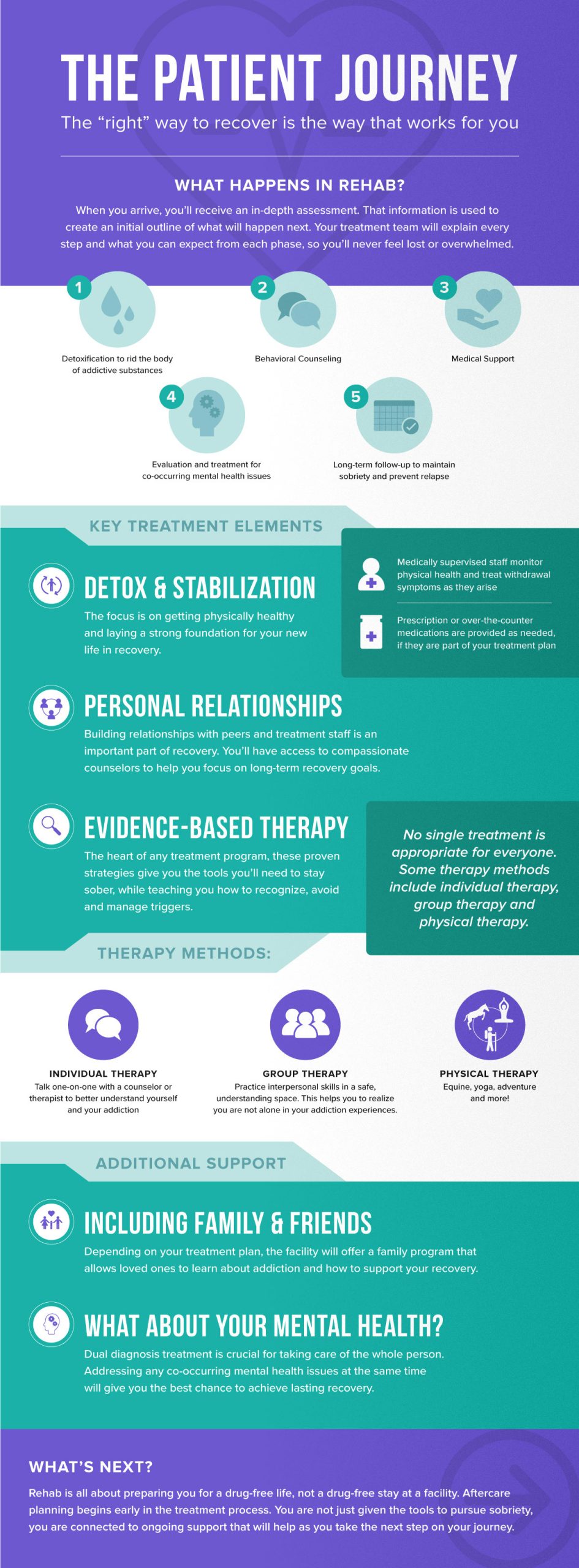
The Patient Journey
No single treatment for addiction and mental health is appropriate for everyone.
The “right” way to recovery is the way that works for you, but the amount of treatment and therapy options can make it difficult to know what to expect on your personal recovery journey. This is why it can be helpful to see a big-picture view of the various decisions and experiences you may have along the way. While your treatment path may vary, rest assured that any questions or concerns you may have can be answered by admissions or medical staff along the way. Through specific treatment elements, different therapy methods and additional support, you will get the help you need. By following a treatment plan customized to your specific needs and goals, you’ll set yourself up for the best chances of long-term recovery.
Sources
- 1 Wilcox, Stephen. “Intervention – Tips and Guidelines.” National Council on Alcoholism and Drug Dependence, 25 July 2016.
- 2 “Intervention: Help a loved one overcome addiction.” Mayo Clinic, Mayo Foundation for Medical Education and Research, 20 July 2017.
- 3 “Bipolar Disorder.” National Institute of Mental Health, U.S. Department of Health and Human Services, Oct. 2018.
- 4 “Personality Disorders.” MedlinePlus, U.S. National Library of Medicine, 30 Apr. 2018.
- 5 “Mood Disorders.” MedlinePlus, U.S. National Library of Medicine, 8 Aug. 2018.
- 6 “What Is an Intervention? Learn About Intervention.” AIS, Oct. 2018.

